

Female to Male Surgery / FTM Surgery in Dallas TX

What is Involved in Female to Male (FTM) Top Surgery?
Female-to-male (FTM) top surgery is a gender-affirming procedure designed to create a flatter, more traditionally masculine chest for transgender men and non-binary individuals. Often combined with hormone therapy, it may be the primary surgical step in a person’s transition.
Dr. Bardia Amirlak, a triple-board-certified plastic surgeon, performs this procedure in Dallas, TX. He is known for his extensive training and personalized approach.
What Is Female-to-Male Top Surgery?
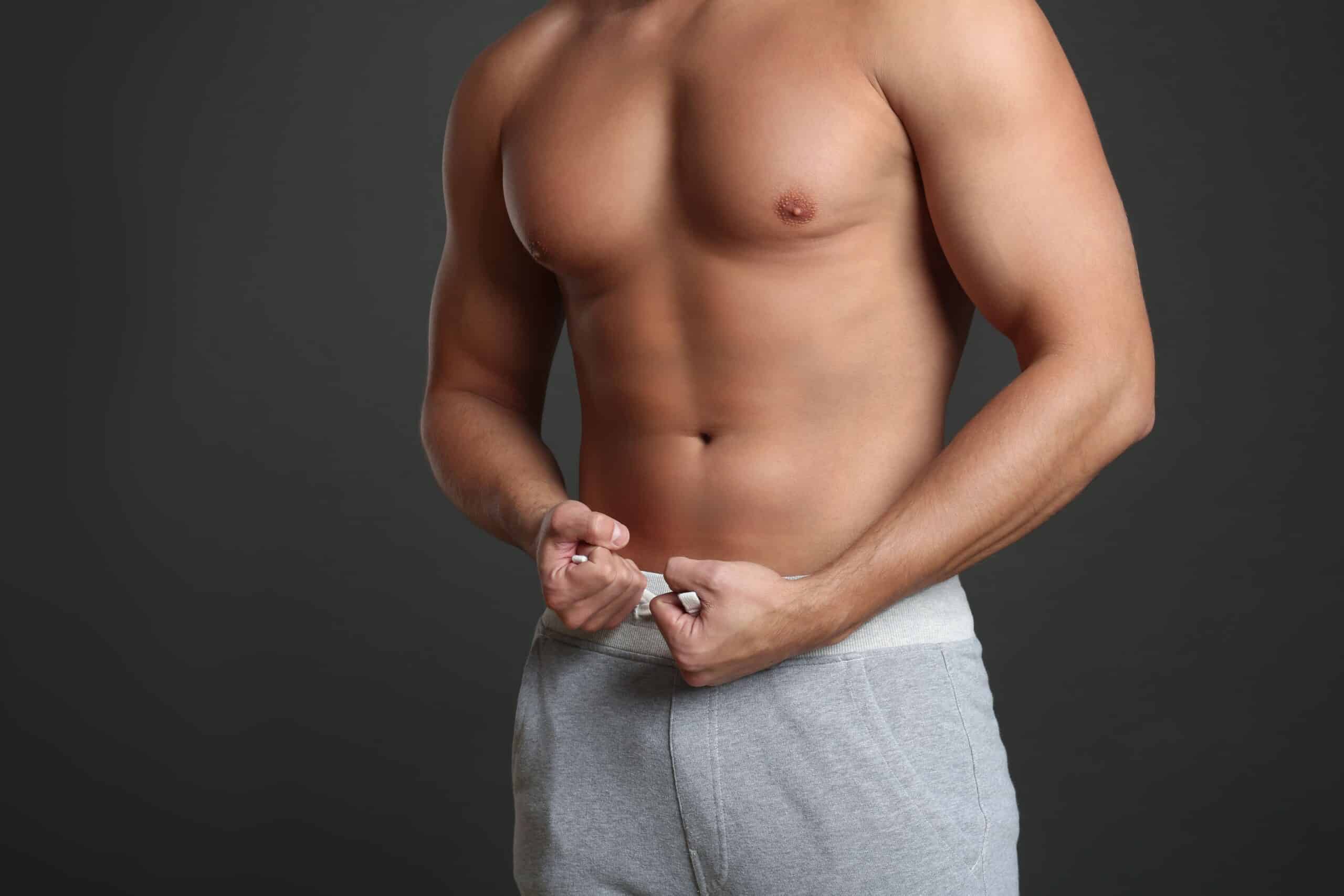
Female-to-male (FTM) or female-to-nonbinary (FTN) top surgery is a gender-affirming procedure performed for transgender men and non-binary individuals to form a more masculine chest.
Female-to-male top surgery generally involves the removal of breast tissue – a procedure that may not be reversible. For this reason, it is imperative that the WPATH (World Professional Association for Transgender Health) guidelines are followed.
Candidates for FTM Top Surgery
Candidates for FTM top surgery typically include transgender men and non-binary individuals seeking a flatter, more masculine chest contour.
Ideal candidates are in good general health, do not have uncontrolled medical conditions, and have realistic expectations about surgical outcomes and scarring. Many patients are also undergoing or have undergone hormone therapy, though this is not always required.
Candidates should not smoke or be willing to stop smoking before and after surgery to support healing. Emotional readiness is also an important consideration before proceeding with surgery.
Which FTM Top Surgery Technique Is Right for Me?
FTM top surgery can be performed using several surgical techniques, and the best approach depends on factors such as chest size, skin elasticity, nipple position, and the amount of tissue that needs to be removed. Because each patient’s anatomy is different, a surgical evaluation is necessary to determine which method may be most appropriate.
| Technique | Often Considered For | What to Know |
| Double Incision With Nipple Grafts | Moderate to larger chests or patients with more excess skin | Removes breast tissue and excess skin via horizontal incisions. The nipples may be resized and repositioned as grafts to create a flatter, more masculine chest contour. |
| Periareolar Top Surgery | Smaller chests with mild skin excess | Uses an incision around the areola to remove tissue and a limited amount of skin. This approach may result in less visible scarring than a double-incision procedure. |
| Individualized Surgical Approach | Patients whose anatomy does not fit neatly into one technique | Your surgeon may modify the surgical plan based on chest shape, skin quality, nipple position, scar placement, and other anatomical considerations. |

What are the Risks of FTM Transgender Top Surgery?
Infection or bleeding under the nipple could result in full or partial necrosis, as well as nipple-areola loss. This is avoided by using a compression garment and a special topical compression foam for 1 week after FTM surgery.
Hematoma or bleeding under the mastectomy breast tissue is a potential risk following female-to-male surgery. This can be prevented by avoiding heavy lifting and increased physical activity after surgery, as well as avoiding all daily activities that increase blood pressure.
Avoiding medications such as aspirin, ibuprofen (Motrin), fish oil, glucosamine, chondroitin, vitamin E, and Omega-3 for 2 weeks before FTM top surgery can also reduce the risk of unwanted bleeding during or after surgery. Please see the complete list of medications to avoid at least 2 weeks before surgery.
Why Choose Amirlak Plastic Surgery for Female-to-Male Surgery in Dallas, TX?
Amirlak Plastic Surgery provides female-to-male surgery in Dallas, TX, under the care of Dr. Bardia Amirlak, a triple board-certified plastic surgeon with training in aesthetic and reconstructive surgery. His background includes plastic and reconstructive surgery training at Case Western Reserve University and a fellowship in hand and microsurgery at the Kleinert Institute. Dr. Amirlak has also held academic and leadership roles at UT Southwestern and has published research in peer-reviewed medical journals. He takes a personalized approach to surgery, considering each patient’s anatomy and goals when planning FTM top surgery and chest contouring.
FTM Top Surgery FAQs
Do I Have to Stop Hormonal Treatment Before Female to Male Surgery?
We generally recommend stopping the last dose of testosterone injection before FTM top surgery. Although some recent studies suggest that the injection need not be stopped, we still recommend continuing it until more conclusive data are available.
How Long Is the Recovery Period After FTM Top Surgery?
Initial recovery after FTM top surgery typically lasts about two to three weeks, during which swelling, bruising, and mild discomfort gradually improve. Most patients wear a compression garment to support healing and help shape the chest contour.
While light daily activities can resume fairly quickly, full healing takes longer. Residual swelling may take several months to resolve, and scars continue to mature over the course of a year.
When Can I Return To Work After Transgender Top Surgery?
The timeline for returning to work depends on the physical demands of your job. Many patients with desk-based or sedentary roles return within 1 to 2 weeks after surgery. Jobs that require lifting, reaching, or strenuous physical activity may require 3 to 4 weeks or longer before it is safe to resume duties.
When Can I Resume Exercise or Chest Workouts After FTM Surgery?
Light walking is usually encouraged soon after surgery to promote circulation. However, more strenuous exercise should be postponed.
Lower-body workouts may gradually resume around 3 to 4 weeks, depending on healing progress. Chest-focused exercises, weightlifting, push-ups, and high-impact activities are typically restricted for at least 6 weeks.
Do You Offer Additional Services for Transgender Men?
Dr. Amirlak also offers facial masculinization options, including rhinoplasty and chin augmentation with implants. Widening the angles of the jaw can also be done with fillers and fat injections.
Schedule an FTM Consultation
Dr. Amirlak proudly provides transgender patients from Dallas, TX, and surrounding areas with Female to Male Top Surgery and Facial Masculinization Surgery. Contact Amirlak Plastic Surgery at (214) 974-4948 or fill out a Contact Form here.
