

Upper vs. Lower Blepharoplasty: What’s the Difference?
- Posted on: May 15 2026
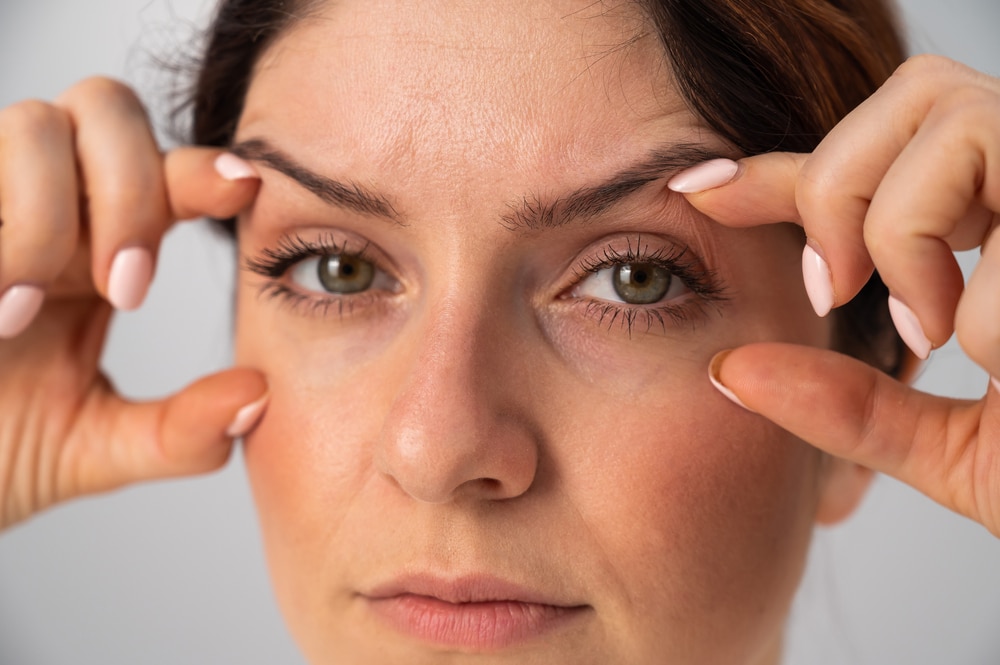 Upper and lower blepharoplasty both refresh the eye area, but they focus on different concerns. Upper eyelid surgery mainly addresses excess skin, heaviness, and fat in the upper lids; lower eyelid surgery focuses on puffiness, bags, and loose skin beneath the eyes. If you’re considering blepharoplasty, the right option depends on where your concerns are located and what you want to change.
In Dallas, TX, Amirlak Plastic Surgery offers facial procedures for people who want a more rested appearance around the eyes. Dr. Bardia Amirlak is a triple board-certified plastic surgeon whose training includes a general surgery residency and a fellowship in hand and microsurgery.
What Does Upper Blepharoplasty Treat?
Upper blepharoplasty focuses on the tissue above your eyes. Over time, skin can become looser and begin to fold over the natural eyelid crease. Extra fat can also add fullness or make the lids seem heavy.
During upper eyelid surgery, the incision is typically placed in the natural eyelid crease. Lax skin can be removed, fat may be removed or repositioned, and underlying tissue or muscle may be tightened when needed. Because the incision follows the eyelid crease, the resulting scar is generally well concealed as it heals.
What Does Lower Blepharoplasty Treat?
Lower blepharoplasty is designed for concerns beneath the eyes. This can include under-eye bags, puffiness, loose skin, or a tired appearance.
For lower eyelid surgery, an incision is usually made just below the lash line so excess skin can be removed. When fat is the primary concern, a transconjunctival technique may be used, with the incision placed inside the lower eyelid.
Can You Have Both Upper and Lower Blepharoplasty?
Yes. Some people have concerns above and below the eyes, so upper and lower blepharoplasty can be part of the same surgical plan. Treating both areas can make sense when drooping upper lids and under-eye bags contribute to the same tired or aged appearance.
You don’t need both procedures simply because you’re interested in eyelid surgery. Your eyelid anatomy, skin quality, facial proportions, and personal goals can help determine whether upper surgery, lower surgery, or a combination makes the most sense for you.
Which Type of Eyelid Surgery Is Right for You?
Think about what bothers you most when you look at your eyes. If excess upper eyelid skin is the main issue, upper blepharoplasty may be the better fit. If bags or loose skin below your eyes are your primary concern, lower blepharoplasty might make more sense.
For a personal assessment in Dallas, TX, contact Amirlak Plastic Surgery at 972-972-4708 to discuss your eyelid surgery options.
Posted in: Blepharoplasty
